- Degree Options
- MA · PsyD · PhD
- Location
- Online or Hybrid in Los Angeles
- Start Dates
- Quarterly
- Degree Required
- Bachelor’s
- Accreditation
- WASC
Overview
Concentration Description
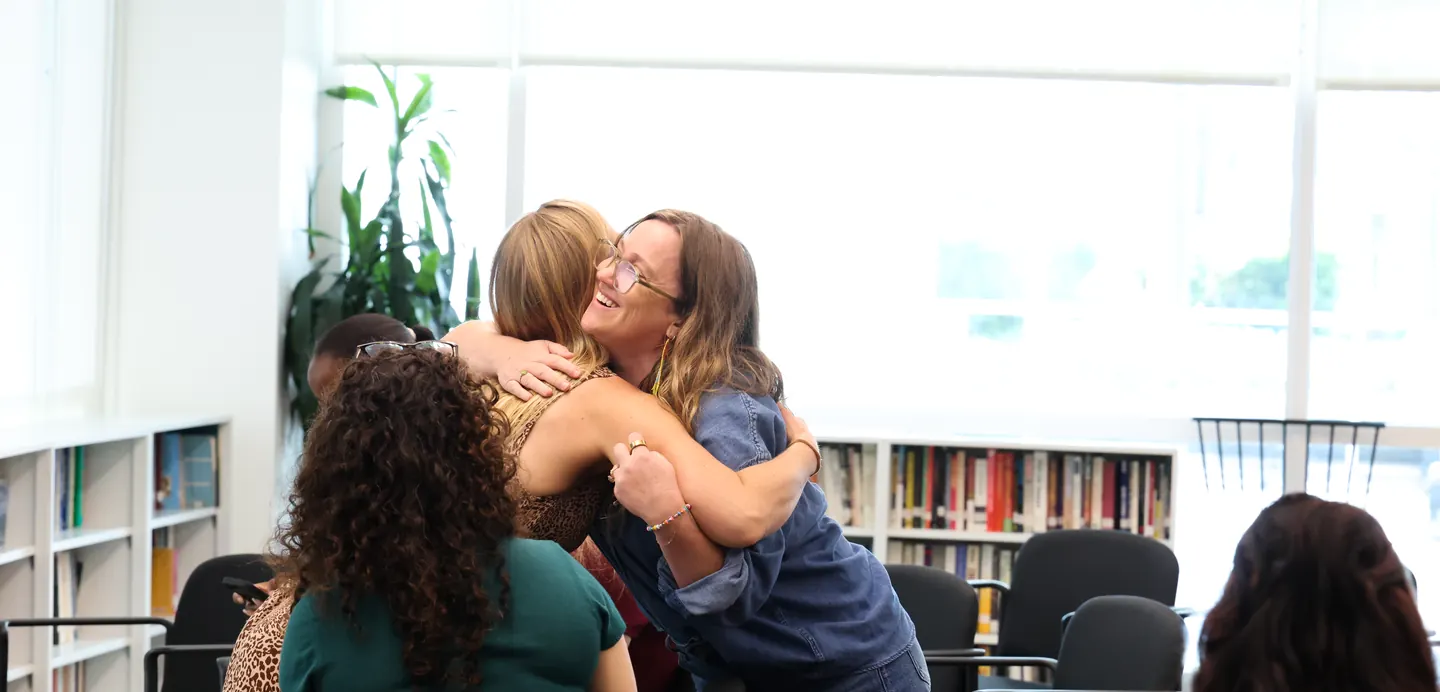
Meridian University's Somatic Psychology concentration begins with the lived experience of the body. Over the last thirty years, somatic practices long held by traditional and Indigenous cultures have returned to the center of psychological healing. Today, somatic therapy offers a body-based approach to healing trauma, PTSD, attachment wounds, and dissociation, with a focus on emotional regulation. Students build their practice on the body's own knowledge.That knowledge starts with kinesthetic sensation, which students learn to notice in themselves and in others. They build interoception, the capacity to sense what is happening inside the body. Working with the felt sense teaches them to attend to the bodily knowing that comes before words and to guide clients in doing the same. Experiential anatomy teaches the major body systems through guided imagery and drawing.Clinical training in body-oriented psychotherapy builds on grounding, boundaries, and presence. Through body dialogue, students learn to read a client's posture, gesture, and movement as nonverbal communication. They work with somatic transference and countertransference, the ways the therapist and client respond to each other through the body. Somatic assessment models drawn from developmental, psychodynamic, and process-oriented traditions guide how they evaluate clients. Movement can serve as the whole intervention, as it does in dance movement therapy, or students can work with movements as they appear in a session.Somatic psychology understands that trauma is stored in the body, in the nervous system, and in somatic memory. Students learn somatic trauma therapy grounded in neuroscience and attachment research. The work centers on nervous system regulation and follows the principles of trauma-informed care. The concentration also covers touch, one of the oldest forms of healing, and the ethics of using it in psychotherapy.Students study how culture and history shape embodiment, how embodiment develops across a lifetime, and how body processes relate to states of consciousness. They explore somatic psychology through the expressive arts, including music, dance, poetry, and theater.Graduates practice as marriage and family therapists, professional clinical counselors, and psychologists who bring somatic methods into clinical work. Others build careers in somatic counseling, somatic education, and health and wellbeing coaching.“When it comes to transformative learning, what I really notice is kind of exactly how they say it: it’s just landing in my body. I don’t have this stress or urgency to memorize facts. Because it’s landing in such a way, it stays with me and translates to my outside-of-school experience, too.”

Coursework
Sample Courses
- Leadership and Embodiment
- Foundations of Somatic Psychotherapy
- The Poetic Body
- Approaches to Somatic Psychology
- Cultivating the Senses
- Movement Practices and Cognitive Development

“... for that called Body is a portion of the Soul as discerned by the five Senses...”
Video Center
See Meridian University in Action
Hear directly from students about the transformative experience of studying Somatic Psychology.


“It’s been a really beautiful experience at Meridian to dive into putting my whole being into the learning process, instead of just listening to a lecture or reading a book, actually experiencing the learning process in my body, my mind, and expression, and weaving that all into something that I can carry with me when I leave.”

Curriculum
Academic Structure
Meridian's academic structure gives students the flexibility to navigate the University's curricular architecture in ways that match their passions, professional goals, and other life commitments.
The structure is designed to serve a diverse student body, who live around the globe, have varied cultural and clinical visions for their careers, and are at different stages in their professional journey.
Students enroll in a degree program, can elect a concentration, and register for one or multiple courses each quarter. In addition to core courses for the specific degree program and anchor courses that represent the Transformative Learning intent of Meridian's curriculum, students select elective courses that align with their Meridian concentration, background, and career path.

“I had been looking for a place for education that was more than traditional, and I was referred … to Meridian, especially because of the emphasis on the integration of somatics with the curriculum and transformative learning.”

Flexible Delivery
Learning Formats
Meridian University offers two learning formats: Online and Hybrid.
- The Online format is ideal for students completing their degrees remotely, combining synchronous and asynchronous learning.
- The Hybrid format is tailored for those seeking a blend of online learning and in-person classes at Meridian's Los Angeles Campus.
Introducing Unique Impact Scholarships
Available to Meridian University students worldwide, Meridian University's Impact Scholarships represent the University's commitment to supporting graduates to take transformative action in the fields of Business, Education, Leadership, and Psychology.
- The Meridian Social Entrepreneurship Scholarship
- The Meridian Developmental Coaching Scholarship
- The Meridian Collective Trauma Transformation Scholarship


Programs
Degrees Available
Learn More
Interested in learning more about the programs at Meridian?
In-Person and Hybrid Learning
The Los Angeles Campus is the primary location for in-person and hybrid courses at Meridian University. Students have the opportunity to engage face-to-face with faculty and peers while also benefiting from the flexibility of online coursework.
Learn More About the Campus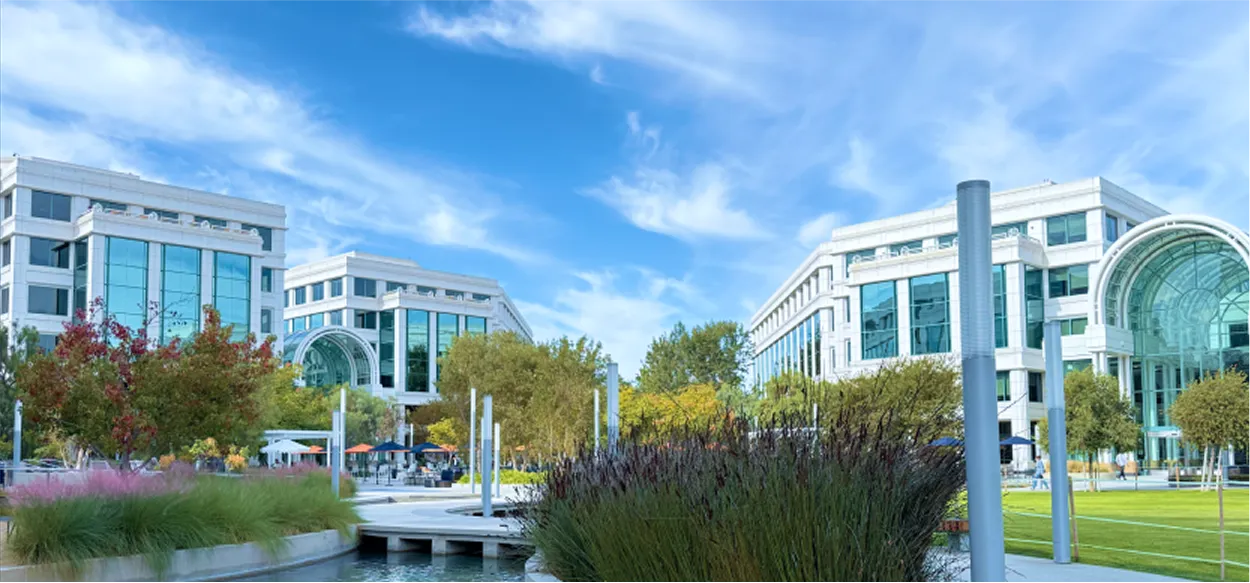
Stay Updated
Sign up below to learn more and stay updated regarding Meridian University's graduate and public programs.