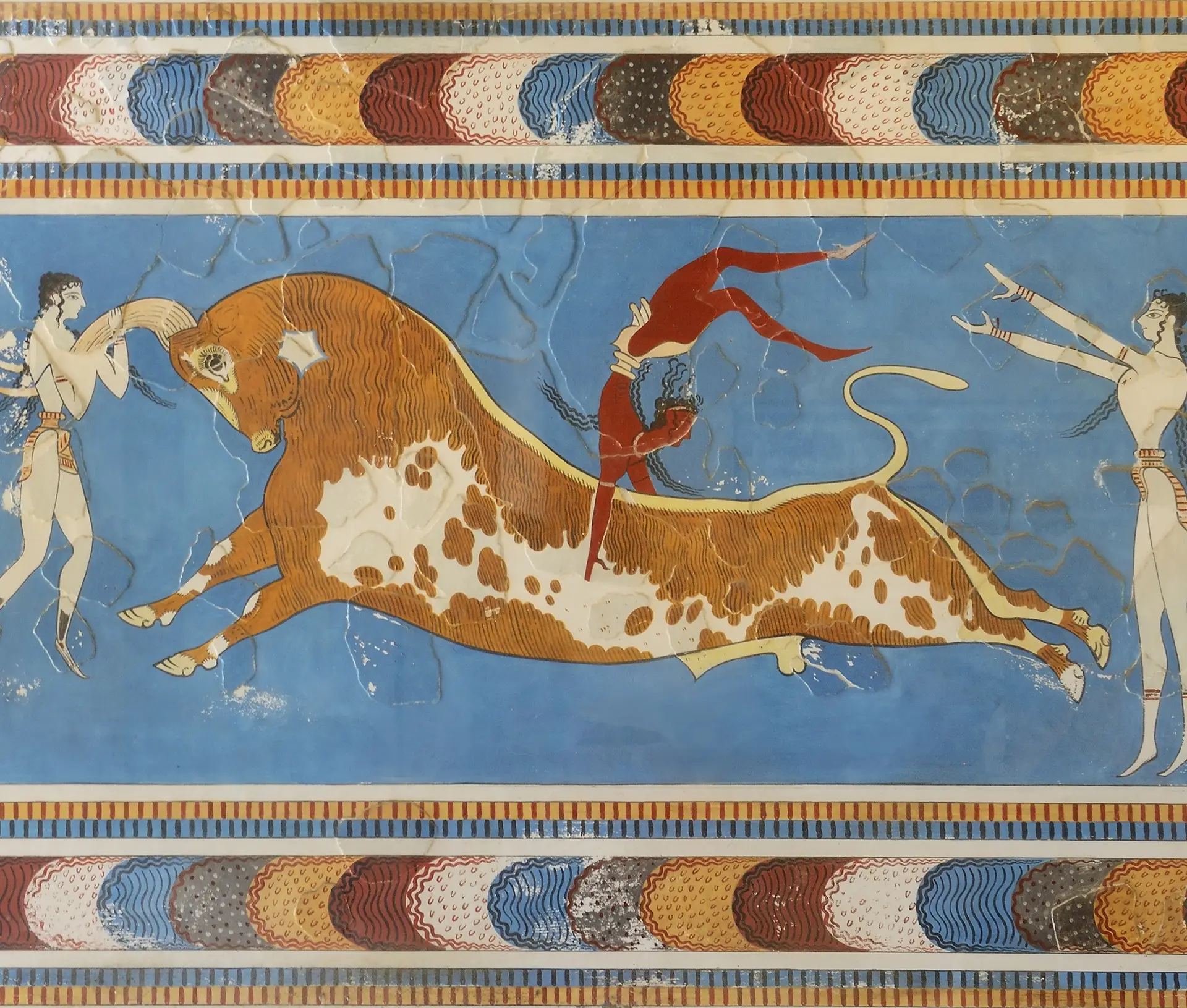
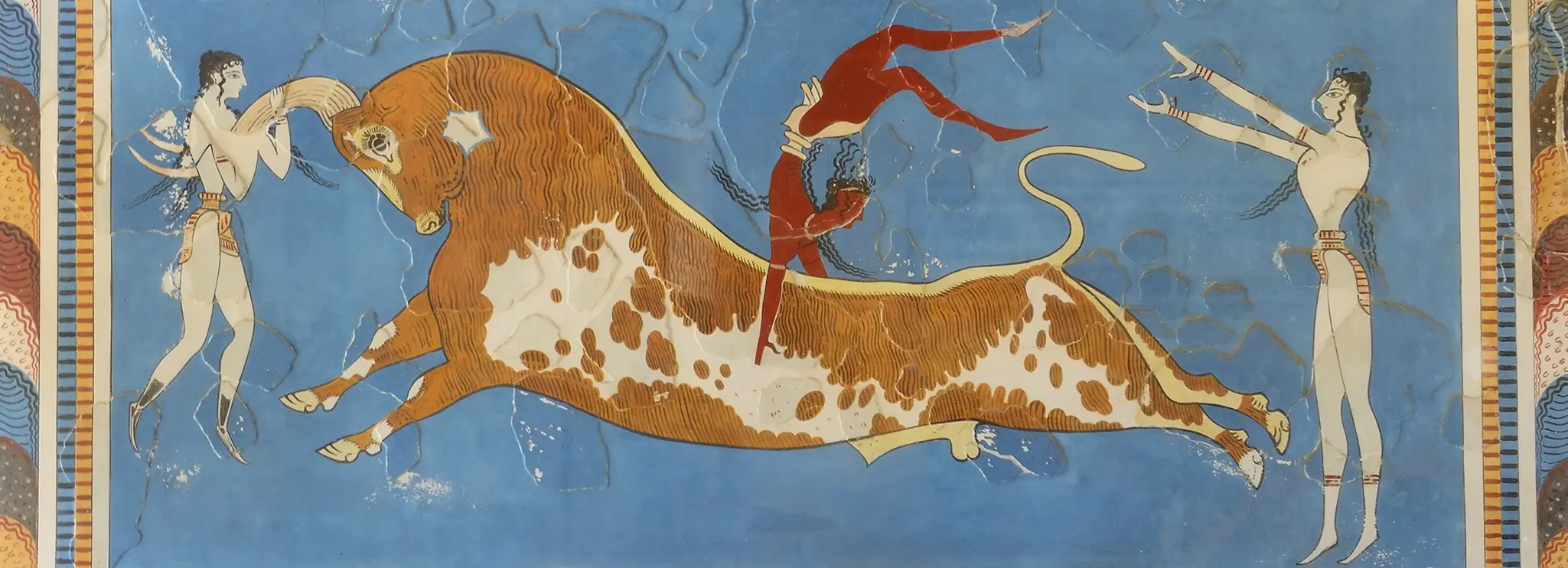
"Earth, isn’t this what you want? To arise in us, invisible?
Is it not your dream, to enter us so wholly
there’s nothing left outside us to see?
What, if not transformation, is your deepest purpose?"
― Rainer Maria Rilke
March 12th - April 30th
A Seven-Week Online Course with
Aftab Omer

Aftab Omer

Course Description
This course is for aspiring, early, and mid-career developmental practitioners, who may choose to identify professionally as coaches, consultants, managers, therapists, teachers, entrepreneurs, or leaders.
Life, for most people, is difficult. Growing, especially growing together, is not easy. There are many indications, both globally and locally, of cultural crises that are worsening with each passing day. Such crises engender collective trauma but at the same time, whole communities normalize development-eroding conditions. This is due in part to the absence of effective developmental practice. Without developmental leadership, such crises result in the institutionalization of structural and cultural violence.
Evolutionarily and historically, human communities have flourished based on the great transmission of human development through the means of culture. During cultural crisis, the transmission of individual and collective capability diminishes or even breaks down as families and communities no longer serve as nurturing developmental spaces. At such times in the past, individuals have responded to cultural crisis by initiating communities of practice that are personally and culturally transformative, thereby re-igniting both inner and outer development.
Associated with increasing technological and social complexity, these cultural crises are embedded systemically within the polycrisis of the system-world – a cascade of multiple crises, at once. They manifest variously in such areas as conflict, climate, finance, food, water, and health.
Modern and postmodern societies are organized to manage complexity through professions that promote inner development. This course looks at how developmental practitioners such as coaches, therapists, managers, generative entrepreneurs, and transformative leaders can initiate and sustain transformative communities of practice. Such communities of practice generate a cultural commons in the service of transforming professions while also fostering the personal and professional development of community participants.
“We learn together. We can’t learn on our own. Growth doesn’t come in a vacuum … It happens in collaboration. It happens from sitting with each other, pondering each other’s responses, seeing how they land with us.”
Curriculum
Course Modules
Module One
When Culture Fails: Culture as Developmental Space
- Corrupt Character, Corrupt Information: The Collapse of Common Facts.
- Normalization and Institutionalization of Violence
- Development is a Sacred Mystery
- Development Requires Liminal Spaces
Module Two
Challenges of Complexity: Technical, Social, Dynamic
- Cultural Crisis and Complexity Gaps: Culture as Collective Mind
- Engaging the Unknown Unknowns
- Inquiring and Intervening Upstream from Problem Location
- Emergence Promotes Coherence
- Collaborating at the Speed of Flow
Module Three
Liberating the Force of Goodness: Educating Developmental Practitioners
- Development is Multidimensional: Ecologies of Capabilities
- Culture Constrains and Enables Developmental Trajectories
- The Violent Interaction of Developmental and Cultural Trauma
- Developmental Power: Embodying and Institutionalizing the Force of Goodness
- Developmental Asymmetry
Module Four
Out of Embeddedness: Education that Transforms
- Transformative Learning as a Wisdom Journey
- Learning as Training vs. Learning as Development
- Growing Minds, Transforming Mindsets
- The Shadow of Mindfulness: On Not Losing One’s Mind
Module Five
Communities that Grow Developmental Practitioners
- Belonging Catalyses Individuality and Capability
- Interdependence: From Networks to Communities
- Deep Collaboration is Not for the Timid: Courage is Contagious
- Commitment is a Liberating Discipline
- Liminality: Growing Together is Intimate
Module Six
Sacred Professions: Generating a Cultural Commons
- Transforming the Professions
- Common Knowledge: Innovation and Collective Intelligence
- Authority that Empowers
- Good Intentions and Great Inventions Invite Trouble
- Helping Hand Strikes Again: The Shadow of Virtuous Intentions
Module Seven
Commoning Makes Worlds
- Regenerating Cultural Commons
- Communing and Communitas: Learning to Share Our Worlds
- Combining Entrepreneuring and Commoning
- Ideas vs. Ideology: Collective Imagination
- True Arts: The Arts Share Worlds
- Artificial Intelligence is Artificial
*Course modules are illustrative. Faculty build dynamic course content and class structure aligned with and beyond the listed modules.
Meet the Convening Faculty
Aftab Omer
Meridian University seeks to educate leaders with the capacities, skills, and knowledge essential for transforming the professions of Business, Education, Leadership, and Psychology. Transformative learning at Meridian catalyzes the emergence of these capacities which, along with developing creative inquiry skills and acquiring professional knowledge, actualizes Meridian’s commitment to sustaining an education that transforms.

Format
Course Structure
- Seven-week online course from March 12, 2024 through April 30, 2024.
- Six, live, 75-minute Zoom sessions with faculty held Tuesdays at 10:00 am PT (Pacific Time) and recorded for participants who cannot join every session live. Note: There is no live class during Week One.
- Reading resources, networking, and emergent community outcomes.
- Content and collaboration via Meridian's social learning platform.
Schedule
Course Schedule
 Mar. 12
Course Platform Opens
Mar. 19 10 AM
10 AMFirst Live Course Session
Apr. 210 AMSecond Live Course Session
Apr. 910 AMThird Live Course Session
Apr. 1610 AMFourth Live Course Session
Apr. 2310 AMFifth Live Course Session
Apr. 3010 AMSixth Live Course Session
Course Fees
$250
- Live video classes
- Access to recordings on course platform
- Course platform community and written resources
- Participant launch of ongoing Community of Practice after the course
Accreditation
Meridian University is accredited by the Western Association of Schools and Colleges (WASC) - a higher education accreditor recognized by the United States Department of Education. WASC is also the accreditor for Stanford University, UCLA, and the University of California at Berkeley.
Frequently Asked Questions
What is an Online Course?
Meridian's online courses are conducted via the University's own learning platform. Our online courses promote community learning, through strong interactive engagement with fellow students and faculty as well as live video sessions with faculty.
What technology do I need to take an online course?
You will need an email account, a high-speed internet connection, and access to a computer, iOS or Android device. If you are planning to attend the course video calls live, you will need a webcam and microphone for your device. (Course video calls are conducted with participants video-enabled.)
Do I need to be online at certain times for class?
Live 75 to 90-min video sessions with faculty and fellow students will be conducted throughout the course. Each week's live video call will be recorded and posted on the course platform. Video presentations, readings, discussions and learning activities will be accessible asynchronously and may be completed on participants' own schedule. Course resources and recordings will remain available up to 30 days after the close of the course.
What is Meridian's refund policy?
Full refunds are available until two (2) days before the course begins, by request via email.
Do I need to apply to Meridian graduate program to take this online course?
You do not need to apply to a Meridian graduate degree program to take this online course. This course is one of Meridian's open-enrollment courses.
How can I reach course support?
The course support team will be available to assist from start to finish. Please send your questions/requests/issues to ctl@meridianuniversity.edu
Who will teach each session?
Convening faculty generally lead each live session. Contributing faculty typically contribute in one of the live course sessions. Course resources address the work of both convening and contributing faculty.
Is financial aid available for this public online course?
Meridian has institutional and federal financial aid options for our graduate degree programs. This open enrollment course does not have financial aid or payment plans available.
“In order for us to embrace the whole, we have to be able to have experienced all the parts of ourselves and to know them first. I think that’s the amazing value of transformative learning, and what I experienced in my time with Meridian.”