Overview
Concentration Description
The Yoga and Psychology concentration is intended for master's and doctoral students in the Graduate School of Psychology who wish to have more expertise on the relationship between Yoga and Psychology in the context of their professional goals. The concentration emphasizes coursework aligned with professional practice in contexts such as yoga therapy, yoga teaching, psychotherapy practice, somatic education, and somatic research.With the globalization of Yoga practice throughout the world, Yoga teacher training programs are far more accessible. More recently, the profession of Yoga Therapy has emerged, groundbreaking in successfully legitimizing Yoga as a methodology for working with physical illness and chronic health conditions.Those who practice Yoga, whether longtime practitioners or those new to it, know of its powerful effects on the mind and well-being. Yoga’s earliest roots as spiritual teachings even prior to it becoming associated with physical “exercise” focused on ideas that could largely be viewed today as psychological in their examination of causes of human suffering and principles of well-being, and what it is that constitutes a meaningful life. As such, Yoga’s alignment with modern psychology is readily evident. Its place as an enhancing or even central methodology in psychotherapy represents an exciting development in the profession.Practices, methods, ideas, and topics engaged within this concentration’s courses include historical foundations of the application of Yoga to psychology; yogic principles and practices in psychotherapeutic practice; issues related to spiritual practice and psychology; conducting qualitative research on Yoga and psychology; legal, ethical, and scope of practice issues entailed in yogic-centered psychotherapy; and the neuroscientific foundations of Yoga practice.
“When healing trauma, it is crucial to give attention to both body and mind; you can’t have one without the other...There are many ways to work with the body, integrating important aspects of muscular, behavioral, and sensory input, without intruding on bodily integrity.”

Coursework
Sample Courses
- Introduction to Yoga and Psychology
- Historical Foundations in the Use of Yoga for Psychological Healing
- Integrating Yogic Principles and Practices into Psychotherapy Treatment, I: General Applications
- Integrating Yogic Principles and Practices into Psychotherapy Treatment, II: Specific Applications
- Law and Ethics in the Practice of Yogic-Centered Psychotherapy
- Qualitative Research Applications for Yoga and Psychology
- Yoga-Centric Approaches to Trauma
- Yoga Practice and Models of Consciousness Development
- Yoga-Based Approaches to Addiction
- Developmental Pathways of Yoga and Psychotherapy
- Cultivating the Senses
- Movement Practices and Cognitive Development
- The Poetic Body


“Through embodiment, we gain a unique way to touch into our darkest primitive instincts and to experience them as they play into the daylight dance of consciousness…in a way that imparts vitality, flow, color, hue, and creativity to our lives.”

Curriculum
Academic Structure
Meridian's academic structure gives students the flexibility to navigate the University's curricular architecture in ways that match their passions, professional goals, and other life commitments.
The structure is designed to serve a diverse student body, who live around the globe, have varied cultural and clinical visions for their careers, and are at different stages in their professional journey.
Students enroll in a degree program, can elect a concentration, and register for one or multiple courses each quarter. In addition to core courses for the specific degree program and anchor courses that represent the Transformative Learning intent of Meridian's curriculum, students select elective courses that align with their Meridian concentration, background, and career path.

Flexible Delivery
Learning Formats
Meridian University offers two learning formats: Online and Hybrid.
- The Online format is ideal for students completing their degrees remotely, combining synchronous and asynchronous learning.
- The Hybrid format is tailored for those seeking a blend of online learning and in-person classes at Meridian's Los Angeles Campus.
Introducing Unique Impact Scholarships
Available to Meridian University students worldwide, Meridian University's Impact Scholarships represent the University's commitment to supporting graduates to take transformative action in the fields of Business, Education, Leadership, and Psychology.
- The Meridian Social Entrepreneurship Scholarship
- The Meridian Developmental Coaching Scholarship
- The Meridian Collective Trauma Transformation Scholarship


Programs
Degrees Available
* Hybrid format available at the Los Angeles Campus.
Learn More
Interested in learning more about the programs at Meridian?
In-Person and Hybrid Learning
The Los Angeles Campus is the primary location for in-person and hybrid courses at Meridian University. Students have the opportunity to engage face-to-face with faculty and peers while also benefiting from the flexibility of online coursework.
Learn More About the Campus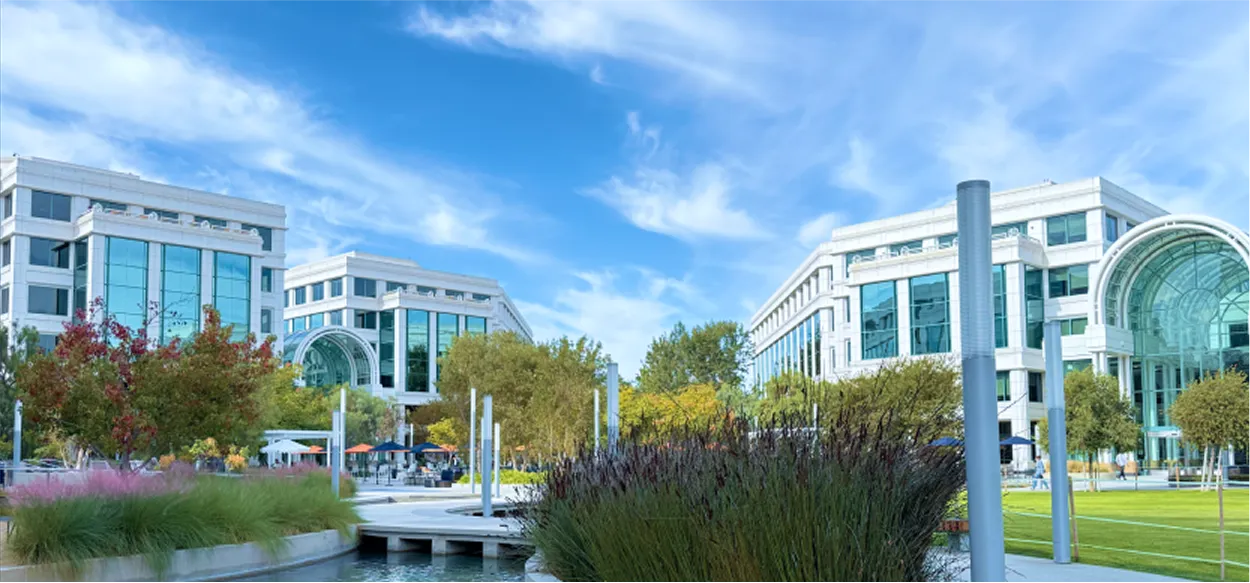

Stay Updated
Sign up below to learn more and stay updated regarding Meridian University's graduate and public programs.