- Degree Options
- MA · MBA · MEd · EdD · PsyD · PhD
- Location
- Online or Hybrid in Los Angeles
- Start Dates
- Quarterly
- Degree Required
- Bachelor’s
- Accreditation
- WASC


Overview
Concentration Description
Expressive arts therapy is a multimodal approach to healing that brings visual art, music, movement, and drama into one therapeutic process. Meridian University’s Expressive and Movement Arts concentration builds on one of humanity’s oldest forms of care. People have danced, sung, and told stories to move through loss and change for as long as there have been communities. Today, the creative arts therapies help people work through grief, anxiety, and trauma stored in the body.Coursework explores the relationship between the senses and the imagination behind all creative work. Students also learn to carry an image from one art form to another and use the arts to add depth to therapy. They also learn about the professions of art, movement, music, and drama therapy and explore topics such as body metaphors, psychodrama, and the use of symbols. Coursework in expressive arts in groups considers applications for group therapeutic work.Movement can serve as the primary basis for therapeutic intervention, as it does in dance movement therapy. Practitioners can also work with movement behaviors as they emerge during a session. Body dialogue brings a client’s somatic experience into therapy and works with it within the whole person. Experiential anatomy explores the major systems of the body through guided imagery, drawing, movement, and touch. Embodiment is studied as a developmental process rather than a static condition. Students also explore how music, art, poetry, dance, and theater can enrich embodied experience in a therapeutic context.Students learn to bring the expressive arts into the treatment of trauma and posttraumatic stress disorder, with a focus on the body. The concentration also studies the wounds communities carry across generations. Courses on myth and story show how these narratives have long offered support and direction. Ritual is studied as a creative force in everyday life, including in times of conflict, crisis, and illness.Graduates of licensure-track programs, such as the MA in Counseling Psychology and PsyD in Clinical Psychology, can practice as marriage and family therapists, professional clinical counselors, and psychologists who use the expressive arts with their clients. Other paths lead to work in conventional healthcare settings, coaching practices, education, and employee wellness programs.“There was a whole part of me that I sort of put to the side, and as part of the assignments we were really encouraged [to] use artistic expression and other mediums, and I went back into painting as well.”

Coursework
Sample Courses
- Play, Imagination, and Healing
- Expressive Arts in Groups
- Movement Practices and Cognitive Development
- Myth, Ritual, and Expressive Arts
- The Poetic Body
- Expressive Arts in Therapy
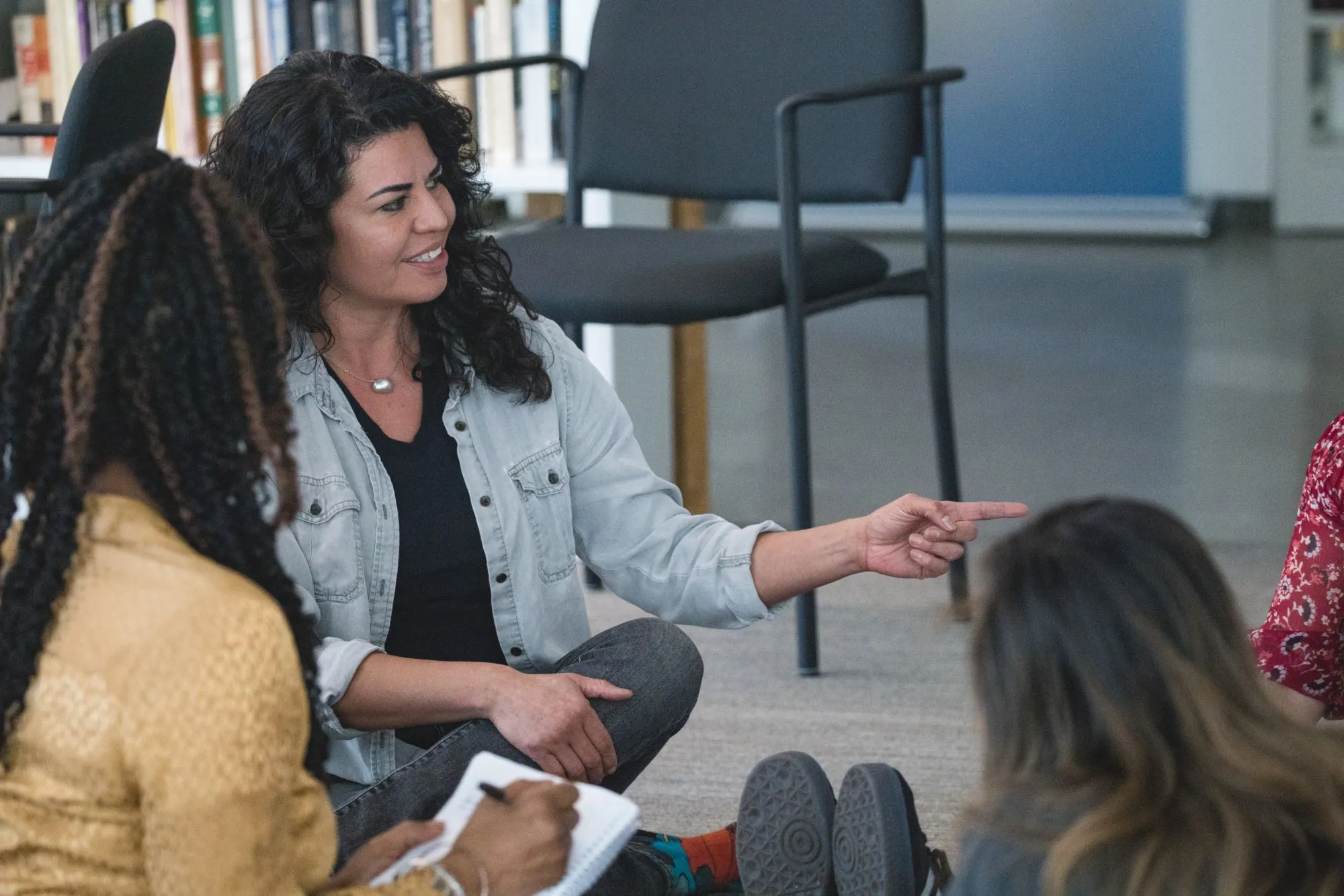
“I feel so proud to be a Meridian student. I feel that so much is covered with such thought and care and precision and rigor. [It] just feels to me like this perfect balance of creativity, scholarly demand, collaboration and community.”

Video Center
See Meridian University in Action
Hear directly from students about the transformative experience of studying Expressive and Movement Arts.



“I’m doing some somatic work and I’m doing some expressive arts, because that’s really how I would love to engage with folks around mental health and therapy, using somatics and using the expressive arts.”
Curriculum
Academic Structure
Meridian's academic structure gives students the flexibility to navigate the University's curricular architecture in ways that match their passions, professional goals, and other life commitments.
The structure is designed to serve a diverse student body, who live around the globe, have varied cultural and clinical visions for their careers, and are at different stages in their professional journey.
Students enroll in a degree program, can elect a concentration, and register for one or multiple courses each quarter. In addition to core courses for the specific degree program and anchor courses that represent the Transformative Learning intent of Meridian's curriculum, students select elective courses that align with their Meridian concentration, background, and career path.

“With Meridian, there’s a place for me here. I felt like I could actually live the material, reflect the material, be with it, and really bring in my creativity.”

Flexible Delivery
Learning Formats
Meridian University offers two learning formats: Online and Hybrid.
- The Online format is ideal for students completing their degrees remotely, combining synchronous and asynchronous learning.
- The Hybrid format is tailored for those seeking a blend of online learning and in-person classes at Meridian's Los Angeles Campus.
Introducing Unique Impact Scholarships
Available to Meridian University students worldwide, Meridian University's Impact Scholarships represent the University's commitment to supporting graduates to take transformative action in the fields of Business, Education, Leadership, and Psychology.
- The Meridian Social Entrepreneurship Scholarship
- The Meridian Developmental Coaching Scholarship
- The Meridian Collective Trauma Transformation Scholarship


Programs
Degrees Available
Book an Information Meeting
A 30-minute meeting, online or at our Los Angeles Campus, to explore Meridian's degree programs, learning formats and approach to transformative learning.
In-Person and Hybrid Learning
The Los Angeles Campus is the primary location for in-person and hybrid courses at Meridian University. Students have the opportunity to engage face-to-face with faculty and peers while also benefiting from the flexibility of online coursework.
Learn More About the Campus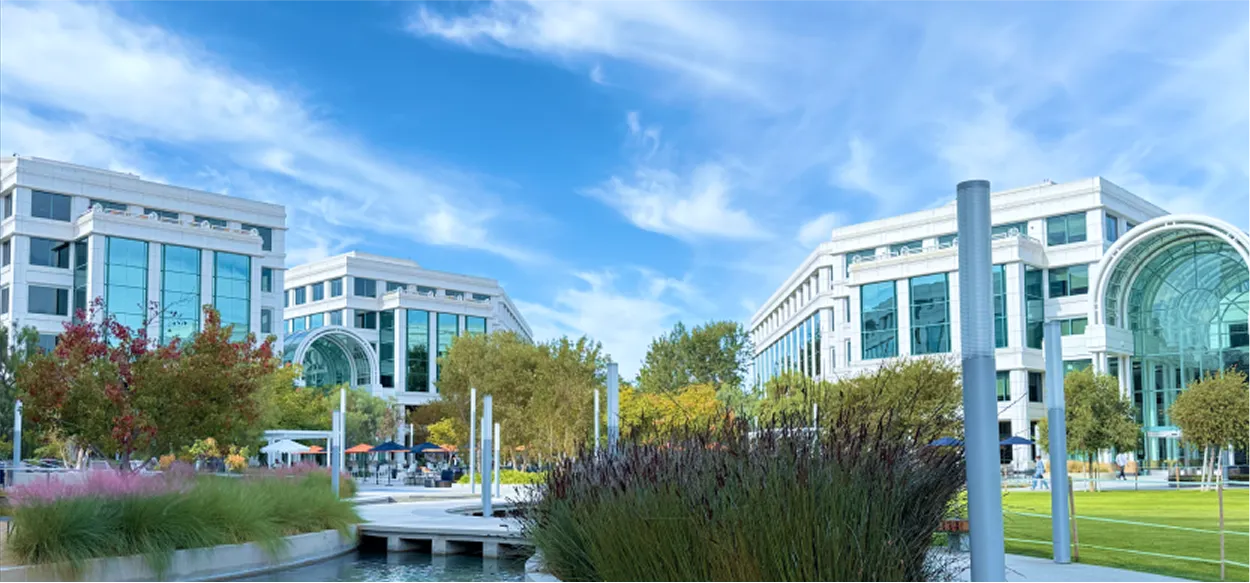
Stay Updated
Sign up below to learn more and stay updated regarding Meridian University's graduate and public programs.